Orillia sits on a narrow strip of land pinched between Lake Simcoe and Lake Couchiching — a genuinely unusual piece of geography for an Ontario town. Water sits close on two sides instead of one, and that shapes almost everything about the local climate, from summer breezes to how snow behaves on a roof in January.
It’s also part of why Orillia works so well as the gateway to Muskoka cottage country, with a historic downtown that draws visitors past the marina and along the waterfront year-round. But the same lakes that make the town scenic also load the air with extra moisture, and that has direct consequences for attics.
Nearly Surrounded by Water, Nearly Surrounded by Lake-Effect Snow
Being wedged between two large bodies of water means Orillia sees more lake-effect snow and higher ambient humidity than most of southern Ontario. That extra moisture in the air doesn’t stay outside. Some of it finds its way into homes through everyday living — cooking, showers, laundry — and from there it looks for the coldest, driest place it can migrate to, which is usually the attic.
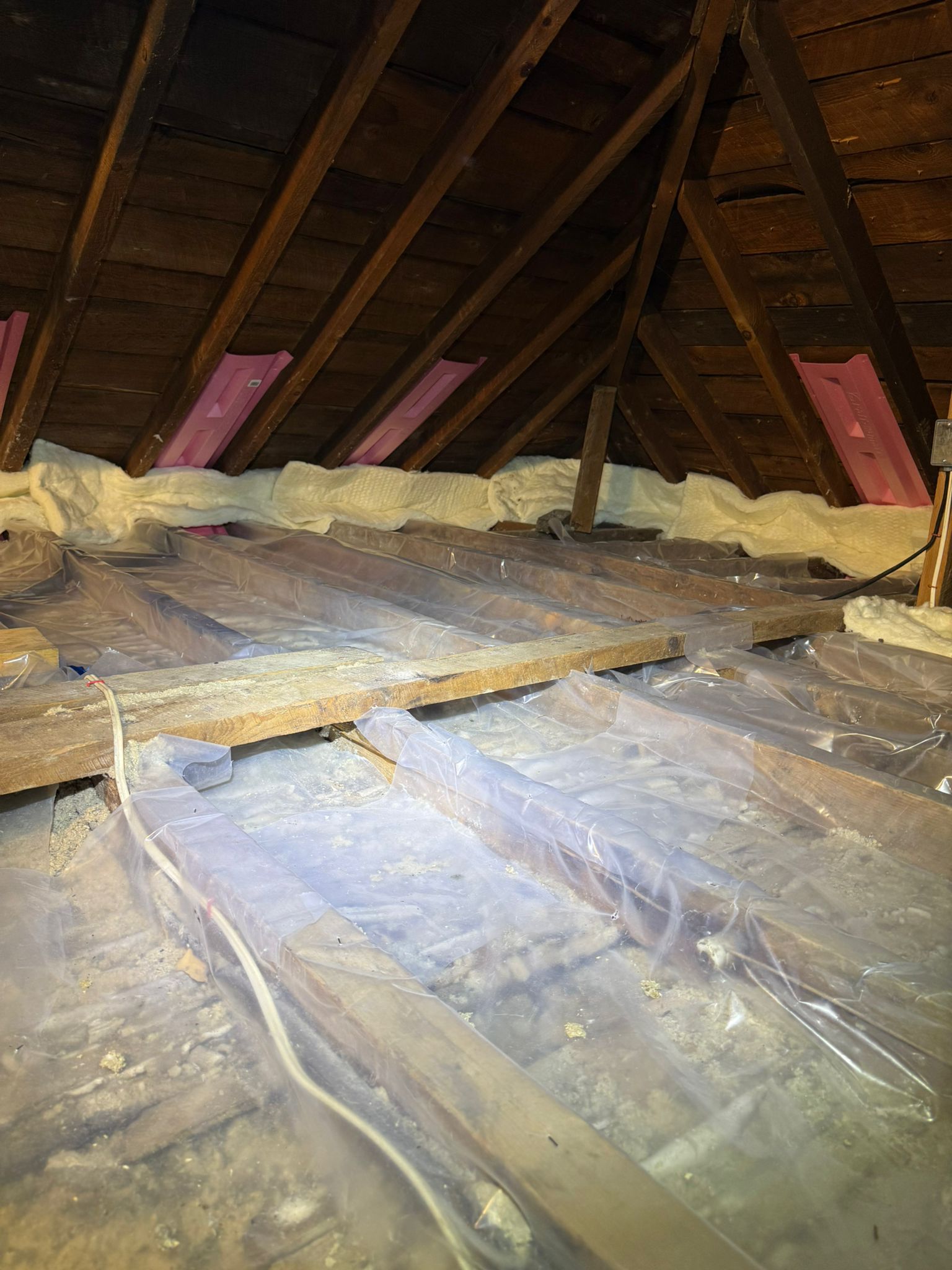
An under-insulated or poorly sealed attic gives that moisture exactly what it needs: a path upward and a cold roof deck to condense against. Over a winter with heavier-than-average snowfall, that’s a slow, steady setup for trouble.
Why the Local Contractor Matters Here
Not every insulation crew works in conditions like these regularly. Homeowners looking for attic insulation contractors in Orillia are often better served by a team that already understands what double-lake exposure does to a roof, rather than a general contractor applying a one-size-fits-all approach built for drier inland towns.
Ice Damming Gets Worse When the Snow Doesn’t Stop
Ice damming happens when warm air escapes from the living space into the attic, melts snow on the roof from underneath, and that meltwater refreezes at the colder eaves. Natural Resources Canada’s Keeping the Heat In guide on roofs and attics lays out this exact mechanism. In a town that regularly gets more snow accumulation because of its lake-effect exposure, that cycle simply has more raw material to work with — more snow on the roof, more melt-and-refreeze cycles, and more opportunity for ice to back up under the shingles.
Century Homes Downtown, Cottages on the Edge of Town
Orillia’s well-preserved historic downtown means a fair number of homes here were built long before modern insulation standards existed, with older roof assemblies that weren’t designed with today’s vapor barriers in mind. Add in the seasonal cottages scattered toward Muskoka’s edge, many built for summer use and later winterized, and you get a wide mix of attic conditions across town — but nearly all of them share the same exposure to lake-driven humidity and snow.
A $1,250 Rebate Is Available Right Now
Ontario’s Home Renovation Savings program, delivered jointly by Enbridge Gas, Save on Energy, and the Ontario government, offers a $1,250 rebate on attic insulation upgrades, up from the earlier $1,000 amount. A standalone attic insulation project qualifies without needing a full home energy assessment first.
Our Approach in Lake-Effect Conditions
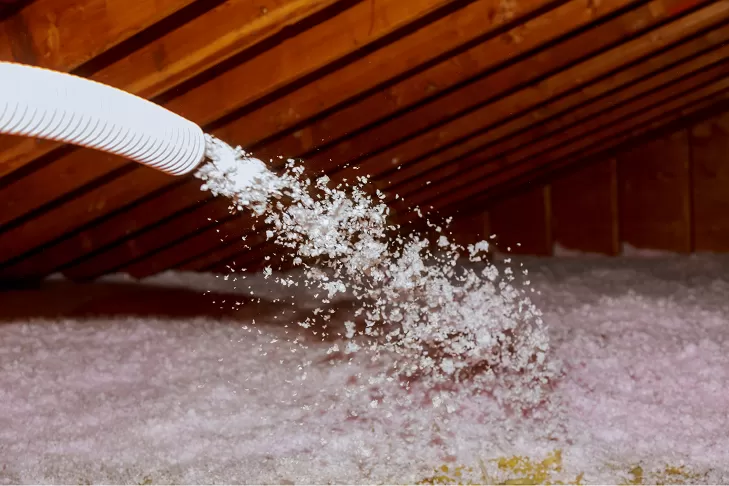
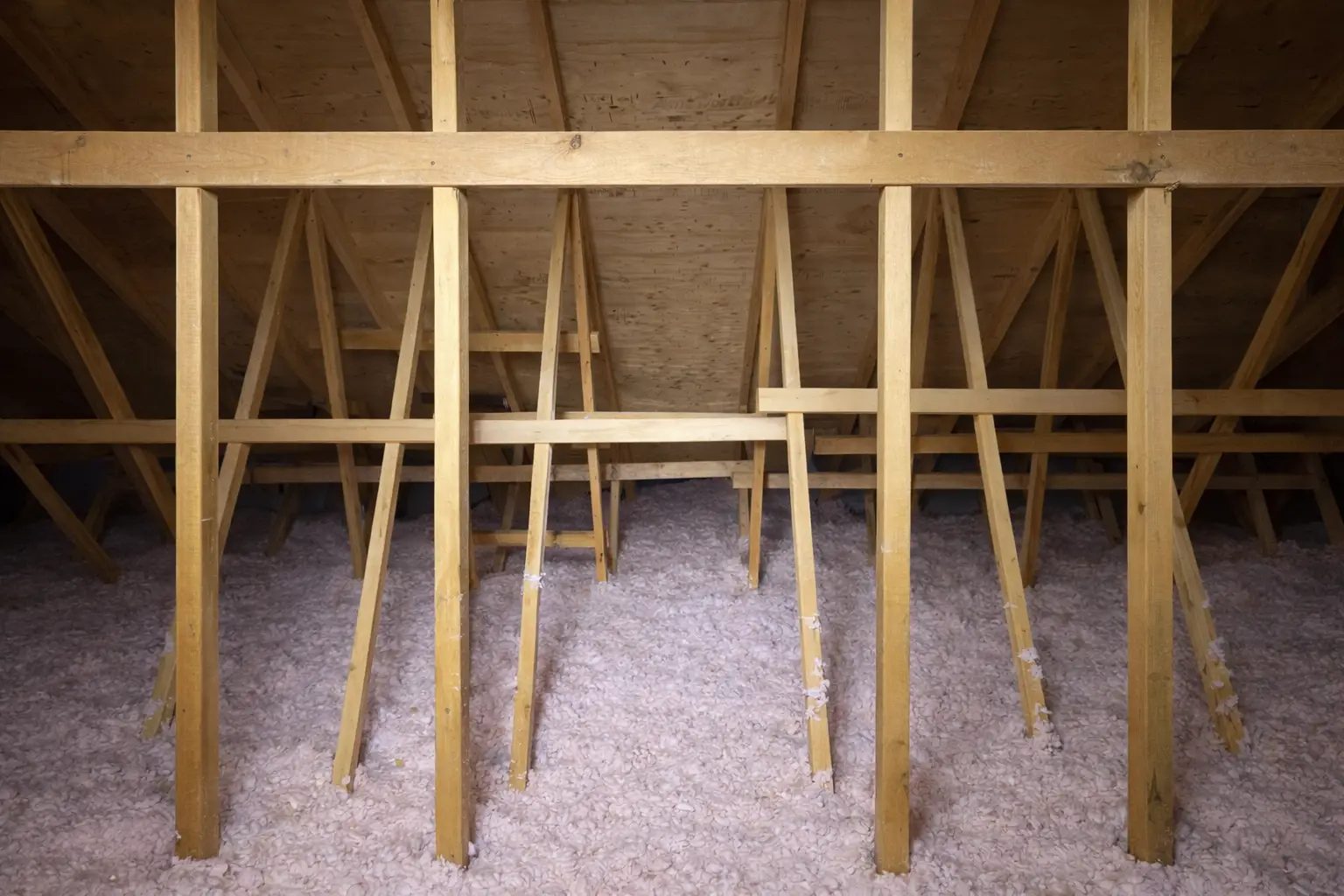
We inspect the attic before quoting anything, checking for the air leaks that let warm, humid air escape upward in the first place. We seal those leaks before adding insulation, since sealing without insulating — or insulating without sealing — leaves the moisture problem half-solved in a climate like this one. We also manage the rebate paperwork directly, so the process stays simple regardless of whether your home is a century-old downtown property or a winterized cottage near the lake.
Talk to Someone Who Knows This Geography
Contact Pro Insulation Contracting to book an attic inspection built around Orillia’s actual conditions, not a generic checklist.